
Quick Summary ↪ Today, we are conducting a fascinating Reverse Prompting experiment: Gemini vs Meta AI recreating a real photo. Text-to-image AI is impressive, but can it work backwards? Can an AI look at a real photograph and write a prompt so accurate that another AI can recreate it almost identically?

That’s the test. We took one original photograph and asked Google’s Gemini and Meta AI to describe it as a prompt, then generate a new image from it. We also cross-tested the prompts to see how portable they are between models.
The “image-to-prompt-to-image” workflow is the ultimate test of visual comprehension. It forces the AI to decode composition, lighting, lens choice, colour grading, atmosphere, and cultural context, then encode it back into language.
Table of Contents
Can AI Reverse-Engineer a Real Photograph?
Here are the results, so you can judge which AI has better visual understanding and which gets closer to photographic reality. Can an AI look at a real-world photograph, understand its soul, and describe it accurately enough for another AI to recreate it? Let’s dive into the results.
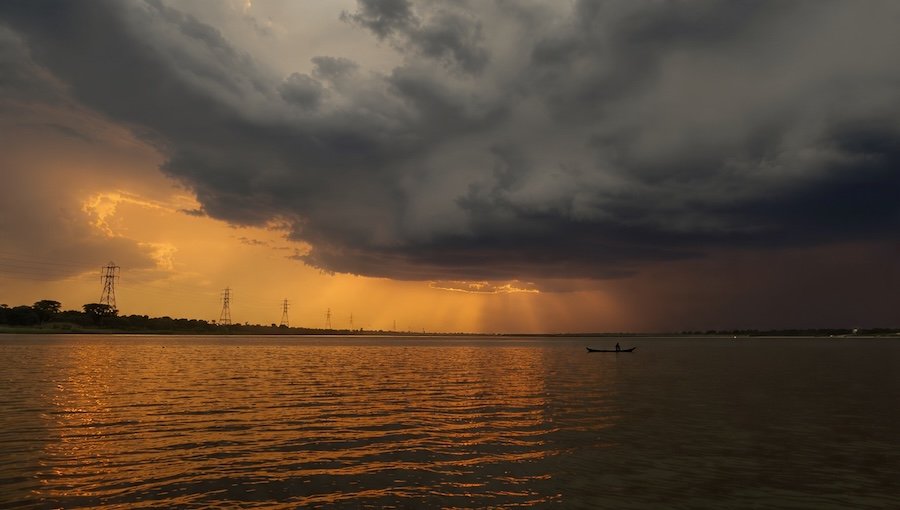
Our control image for this experiment is a dramatic sunset photograph of the Damodar River, the IMAGE 1:
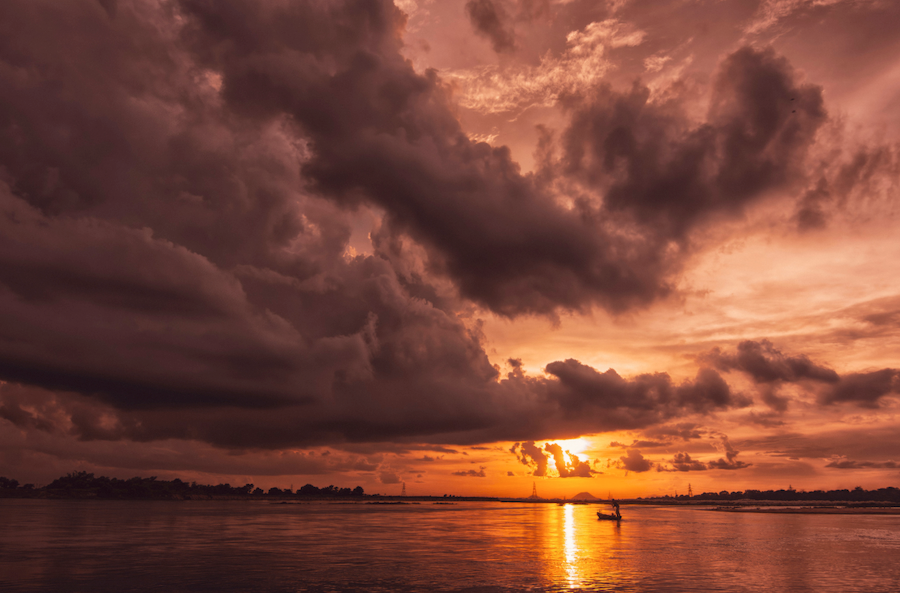
IMAGE 1 – Source: Arijit Mondal / https://objkt.com/tokens/KT1FHCFePVpLaKEehfCGeoHWWdiXNJdVDAov/74
The key elements to capture: low-angle perspective at the water’s edge, massive storm clouds at 70% of frame, crepuscular god rays, sharp golden pillar of light on still water, distant industrial skyline of Durgapur, and a tiny silhouetted ‘naukri’ boat with one figure.
Test 1: Gemini Analyses the Photo + Nano Banana Generates
First, we uploaded the original photo to Gemini with this request: “Write a detailed, photorealistic prompt to recreate this exact image with an AI image generator.”
Gemini’s Prompt:
A detailed photograph from a low perspective at the edge of the wide Damodar River in Durgapur, West Bengal, India. The sky is massive, dominant, and filled with rolling, heavy, dark-amber storm clouds. The setting sun is a low, intense glow, piercing through a smaller gap on the far horizon, casting a bright, defined pillar of golden-orange light reflection across the perfectly still water surface. The dark, brooding clouds overpower the upper frame, creating an intense, moody atmosphere. The horizon features a detailed silhouette of trees and distant industrial pylon towers, consistent with the landscape. In the middle-distance, a small, isolated fisherman's boat (a local 'naukri') with one figure is in silhouette, adding scale. The foreground consists of dark river water with subtle ripples and the reflected sky colors. Extreme high-resolution, photorealistic textures for water and clouds. Shot as if with a Nikon D7200 and a wide Tokina 11-16mm lens at f/8.0, 1/160s, ISO 200.
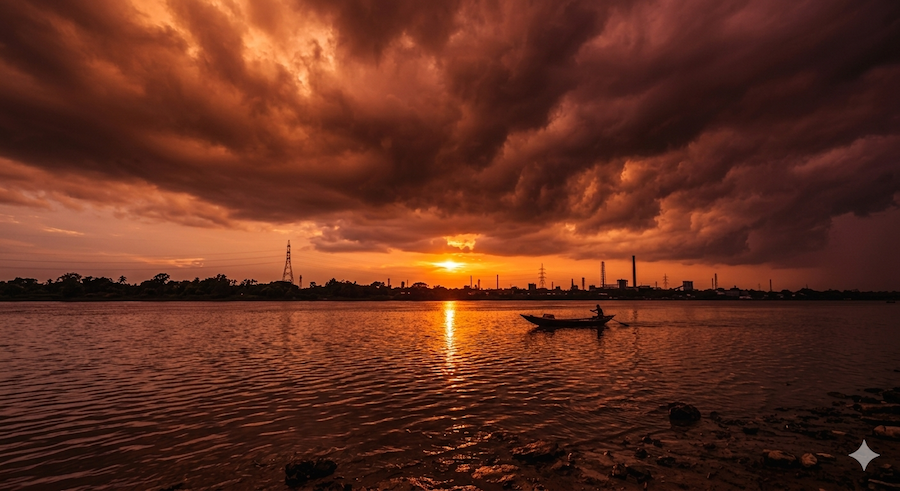
We ran that exact prompt through Nano Banana, Gemini’s image model. This is the result:
Test 2: Meta AI Analyses the Photo + Meta AI Generates
We repeated the exact same process with Meta AI, giving it the original photo and asking for a recreation prompt.
Meta AI’s Prompt:
Ultra-detailed photorealistic landscape photograph, shot from a low perspective at the water's edge of the wide Damodar River in Durgapur, West Bengal, India. Massive, dominant sky filling 70% of frame with ominous, pre-monsoon storm clouds. Rolling, heavy, dark-amber charcoal clouds with deep texture, volumetric god rays piercing through gaps. Brooding, moody atmosphere with burnt sienna highlights and magenta undertones in shadow areas. The setting sun is a low, intense orb on the far horizon, piercing through a small gap in the clouds, casting a bright, sharply defined pillar of golden-orange light reflecting across the perfectly still water surface. Subtle ripples in the dark foreground river water mirror the reflected sky colors of amber, deep orange, and muted purple. Warm white balance. Horizon line is low: detailed silhouette of distant treeline, small hills, and industrial pylon towers + factory chimneys typical of Durgapur's industrial landscape. In the middle-distance, right of center, a tiny distant traditional wooden fisherman's boat 'naukri' with one standing figure in complete silhouette, barely visible, occupying less than 1% of frame, providing scale. Extreme high-resolution, 8K, photorealistic textures for water, clouds, and atmosphere. Natural color grading, high dynamic range, monsoon season mood, golden hour. Shot as if with Nikon D7200, Tokina 11-16mm ultra-wide lens at 11mm, f/8.0, 1/160s, ISO 200, wide-angle perspective, deep depth of field, sharp from foreground to infinity. No lens flare artifacts, no over-sharpening, no HDR halo. Cinematic stormy sunset.
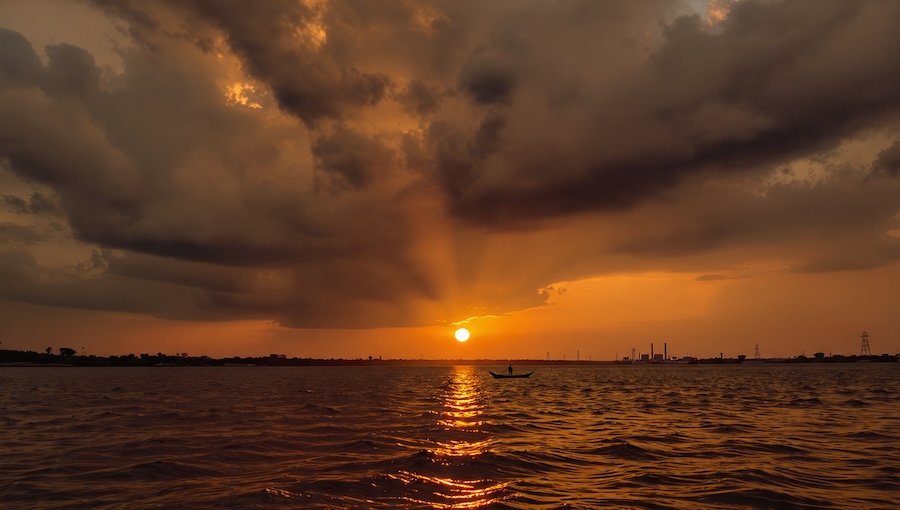
Using that prompt in Meta AI’s own generator gave us this:
Cross-Test 1: Meta AI Prompt Used in Nano Banana
This is where it gets interesting. What happens when we take Meta’s verbose, atmospheric prompt and run it through Nano Banana?
This tests if prompt engineering is universal or model-specific.
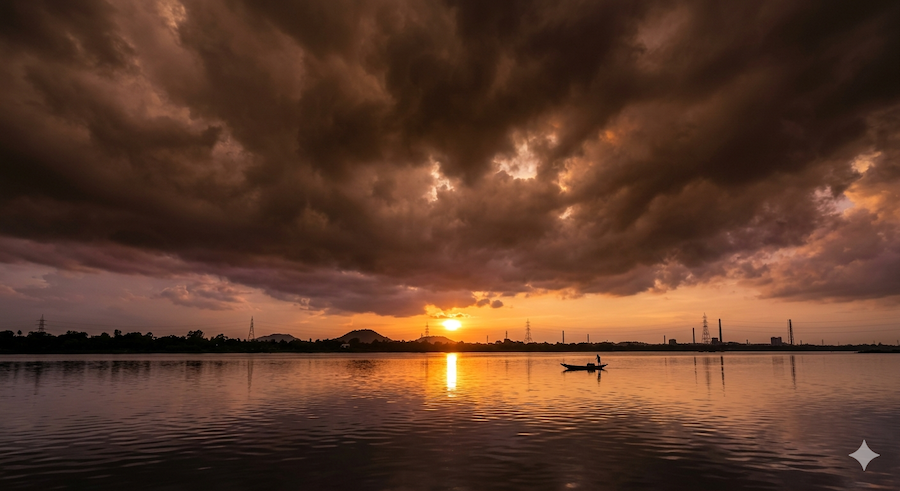
Compared to Test 1 (Nano Banana with Gemini’s prompt), Image 4 shifts noticeably. The colour temperature warms up: the sky picks up stronger red and magenta tones that weren’t in Image 2. The clouds gain more volume and contrast, looking heavier and more “painted”. The water reflection becomes more saturated and less subtle. The overall mood moves away from the cooler, documentary feel of Image 2 toward something more dramatic, even though it’s the same model generating both.
Cross-Test 2: Gemini Prompt Used in Meta AI
For the final test, we reversed it: Gemini’s more technical, camera-focused prompt was run through Meta AI.
Compared to Test 2 (Meta AI with its own prompt), Image 5 dials things back. The heavy magenta/purple cast from Image 3 is largely gone. The contrast drops and the colour palette cools down, closer to Image 2. The clouds lose some of their extreme texture and volume. The boat and horizon line stay in a similar position, but the scene feels less “cinematic” and more restrained than Image 3, even though Meta AI is still the model rendering it.
Final Verdict: Prompting Style, Realism and Key Differences
Looking at all five images side by side, the differences in how each model “thinks” are clear.
Prompt Style
- Gemini + Nano Banana (Image 2): Technical and concise. Leads with EXIF data:
Nikon D7200, Tokina 11-16mm, f/8.0, 1/160s, ISO 200. Describes facts without excessive adjectives. - Meta AI + Meta AI (Image 3): Descriptive and maximalist. Uses CGI language:
Ultra-detailed, 8K, cinematic, volumetric god rays, burnt sienna highlights, magenta undertones. Includes negative prompts. - Cross-Model Notes: Meta’s prompt is ∼120% longer. That “dialect” difference is visible in every output.
Colour & Mood
- Gemini + Nano Banana (Image 2): Closest to the original in white balance. Accurately reproduces the golden-orange pillar of light. The sky is dramatic but less “burnt” than the original. Overall tone is cooler and more documentary.
- Meta AI + Meta AI (Image 3): Pushes saturation and contrast. Introduces magenta/purple tones in the shadows that aren’t in the original. The orange skews more red. Mood is far more apocalyptic/cinematic than photographic.
- Cross-Model Notes: Using Meta’s prompt makes both models shift toward reds and magenta. Using Gemini’s prompt cools and desaturates both. Models interpret the prompt’s style, not just its content.
Composition
- Gemini + Nano Banana (Image 2): Nails the scale. The boat is mid-distance, small, like the original. Horizon line is low and correct. The electrical pylons are present on the left.
- Meta AI + Meta AI (Image 3): Changes the composition. The boat is larger and further right. Adds foreground rocks that don’t exist in the original. Pylons are more numerous and dominant. Introduces hills in the background.
- Cross-Model Notes: Composition is best preserved when each model uses its own native prompt. Cross-tests “reinvent” the scene most.
Detail Accuracy
- Gemini + Nano Banana (Image 2): Industrial towers are generic but present. The sun’s reflection on the water is a defined pillar, correct. Clouds are dense but lack the “dirty cotton” texture of the original.
- Meta AI + Meta AI (Image 3): Adds factory chimneys because the prompt specifies them. Water is too still, almost mirror-like, losing the subtle ripples of the original. Clouds have far more texture and volume, bordering on painterly.
- Cross-Model Notes: Meta’s prompt forces specific details like “chimneys” and both models comply. Gemini is more conservative: if it’s not clear, it won’t invent it.
Photorealism vs Art
- Gemini + Nano Banana (Image 2): Leans photorealistic. If not for the cloud texture, it could pass as a photo. The boat and water are very credible.
- Meta AI + Meta AI (Image 3): Leans cinematic/artistic. Has deeper dynamic range and a processed, film-poster look. The sun sometimes looks like an artificial disc.
- Cross-Model Notes: Neither is a 1:1 replica. Nano Banana is more “photographer”, Meta AI is more “art director”.
What’s really going on under the hood
1. Meta’s prompt is bloated because it has to be
Meta’s image model is trained on billions of Instagram and Facebook posts. It’s optimised for “engagement bait”: high drama, oversaturated sunsets, fantasy lighting. You have to over-specify no HDR halo, no lens flare artifacts, natural color grading because by default it wants to give you a motivational poster. Gemini’s model is trained on a broader web corpus plus Google Images. It defaults to “documentary” so it needs less course-correction.
2. Neither model understands “photography”, they understand captions
Look at our prompts. Both say Nikon D7200, Tokina 11-16mm, f/8.0, 1/160s. Neither image actually looks like it was shot at f/8 on APS-C with an 11mm lens. The depth of field is wrong, the distortion is wrong, the noise pattern is wrong. The models have learned that those words correlate with “high quality photo” in their training data. They’re cargo-culting camera specs. That’s why Image 4 and 5 are so different: you changed the incantation, so you got a different spell.
3. “Photorealistic” is a liability, not a feature
In 2026, both models can do photorealism when they want to. The fact they didn’t replicate your original perfectly isn’t a technical limit. It’s policy + dataset bias. Training data is full of stylised sunsets, but very few exact duplicates of your specific Damodar River shot. The models regress to the mean of “dramatic river sunset”. They’re interpolation engines, not cameras. Asking for 1:1 replication is asking them to fail.
4. The cross-test proves prompt engineering is model-specific, but that’s bad news
This isn’t like learning Photoshop where skills transfer. Prompt “dialects” mean you’re learning to manipulate a specific black box. Meta’s volumetric god rays, burnt sienna, magenta undertones is noise to Gemini. Gemini’s terse EXIF dump is noise to Meta. We’re fragmenting creative work into vendor lock-in. That’s convenient for Google and Meta. It’s terrible for us.
5. The real test we didn’t run: iteration
One-shot generation is a parlour trick. The actual workflow is: generate → spot what’s wrong → fix the prompt → regenerate 20 times. I’d bet $50 that Gemini/Nano gets closer to the original after 5 iterations than Meta does after 15. Why? Because “technical” prompts are easier to debug. The boat is too big → make boat 50% smaller. Try debugging cinematic, brooding, magenta undertones when the output is too purple. You end up fighting the model’s baked-in aesthetic.
The uncomfortable conclusion of this “image-to-prompt-to-image” test
We don’t need this experiment to know which AI is “better”. The answer depends on what we’re optimising for:
- If your job is to fool a human for 2 seconds on Instagram: Use Meta AI. It’s trained on what performs. It will give you spectacle by default. The fact it added rocks and chimneys you didn’t ask for is a feature, not a bug, for that use case.
- If your job is to match a reference for a client: Use Gemini/Nano, then expect to inpaint and ControlNet it to death. The model will give you a conservative base that’s easier to art-direct. But “one prompt = final image” is still fantasy.
- If you care about creative sovereignty: This whole paradigm sucks. We’re reverse-engineering photos into English sentences so a model can guess what we mean, instead of just editing the photo.
Related Content